
Grid-code conformity, monitoring interfaces, field service coverage and the exact model configuration matter more than headline efficiency alone. Failures usually develop at the interface between otherwise competent teams. Reviewing the actual service environment is often more revealing than collecting another impressive efficiency figure.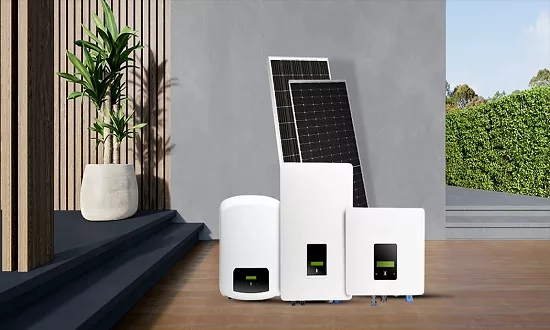
Begin With Interval Data
A building with strong annual electricity demand can still be a poor match for rooftop generation if most consumption occurs after sunset. Use interval-meter records across normal and peak periods to establish the overlap. Seasonal business closures and changing shift patterns matter. The generation forecast should be tested against operations rather than compared only with annual bills.
Inspect the Physical Site
Roof remaining life, loading, fire access and cable routes belong in the earliest feasibility visit. Large roofs often contain equipment and shadowing that are not obvious on aerial imagery. If reroofing is likely during the solar system life, maintenance and removal costs need to be visible in the investment case. A cheaper array layout can be expensive to service.
For a broader technical starting point, compare a solar inverter manufacturer with the conditions actually documented in the proposed project. Grid-code conformity, monitoring interfaces, field service coverage and the exact model configuration matter more than headline efficiency alone.
Think About Site Expansion
Businesses rarely hold their electrical requirements constant for twenty years. A new production line, freezer or fleet charger may change how on-site solar is used. Keep future distribution routes and operating flexibility in view. However, do not assume every possible expansion is certain enough to justify an oversized initial installation.
A manufacturer reference for a very different climate or utility connection provides limited assurance for the proposed site.
Ask for Comparable Evidence
References should resemble the proposed installation in roof type, grid conditions and business operating pattern. A case study with a spectacular annual yield under different weather is not a substitute for an engineering estimate. Request sample maintenance reports and performance assumptions. The most valuable vendor evidence helps explain performance variation, not just a perfect outcome.
Understand Monitoring Limits
A monitoring app can reveal production, consumption and equipment status, but its usefulness depends on correct meter placement and network connectivity. Owners need to know which data are measured and which are estimated. When a communication link fails, local electrical safety functions must remain independent of the app display.
The design review for a solar inverter manufacturer should be supported by evidence tied to the delivered configuration. Verify product certification, local warranty support, spare-parts lead times and commissioning responsibility.
Treat Dispatch as a Policy
Charging and discharging rules should be written down before choosing control hardware. Priorities might include avoiding export, reducing demand charges, preserving emergency reserve or following a time-of-use tariff. Those objectives can conflict. A clear hierarchy prevents operators from treating an unexpectedly low state of charge as an equipment fault when it was actually a scheduling decision.
Readers comparing specifications can review information about solar inverter manufacturer as context, then verify site-specific claims with drawings, tests and commercial terms.